Gordon Gekko
Michael Douglas
Older, quieter, and more dangerous for it. Gekko doesn’t need to win anymore — he needs to be proven right, and he’s found the perfect young man to prove it with.
The Game Has Changed
In Theaters November 27, 2027
Rated R · 2h 22m
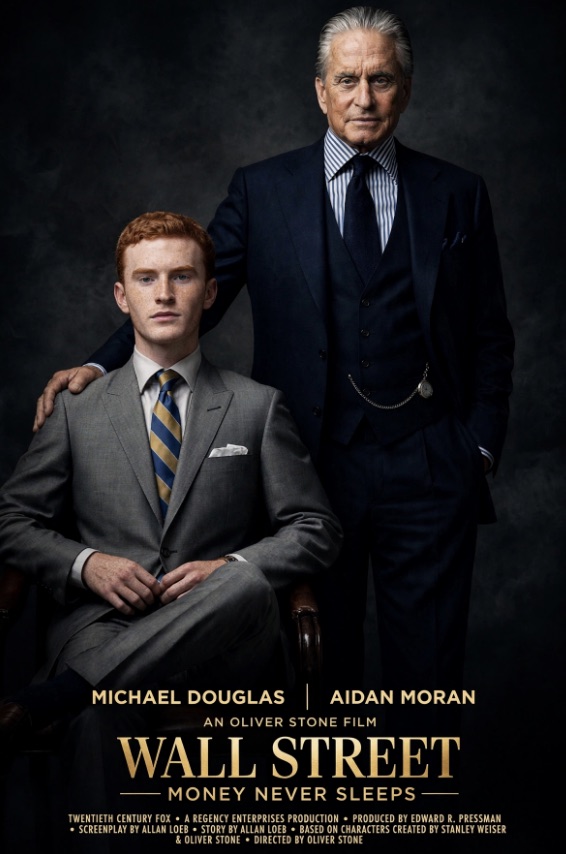
Greed was a strategy. Now it’s an inheritance.
Long after he walked out of a federal courthouse, Gordon Gekko does not need the money. He needs a successor — and he has found one in a young quant who still believes the market can be beaten honestly.
The Story
Gordon Gekko is past eighty and semi-respectable. He writes a newsletter, keeps a corner table at a restaurant that used to fear him, and tells anyone who asks that he is retired. Nobody in the room believes it, including him.
Cal Brennan is twenty-eight, out of Queens by way of a scholarship and a job nobody wanted, and he has built something in his off hours: a model that reads liquidity the way a doctor reads a pulse. It tells him a firm at the center of the market is hollow. He takes it to the only person who will understand what it’s worth. Gekko doesn’t buy the model. He buys the kid.
What follows is a courtship — dinners, introductions, a suit that fits, the slow warmth of being the smartest man in a room full of rich ones. By the time Cal understands that his model has become a weapon, that his name is on filings he never read, and that the old man has been playing a longer position than anyone imagined, the trade is already on. Oliver Stone returns to the street he defined, in a story about what one generation is willing to hand another, and what it charges for the privilege.
The Players
Michael Douglas
Older, quieter, and more dangerous for it. Gekko doesn’t need to win anymore — he needs to be proven right, and he’s found the perfect young man to prove it with.
Aidan Moran
A quant from a Queens two-family house who found the crack in a firm nobody was watching. He wants a seat at the table so badly he never asks what it costs until the bill arrives.
Also Starring
First Look
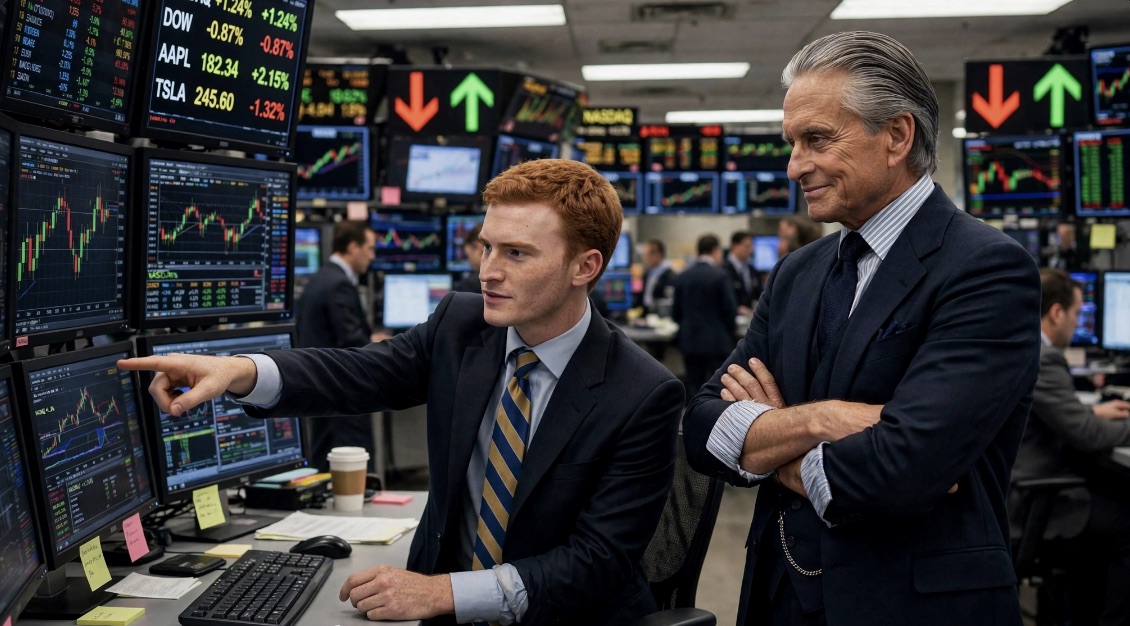
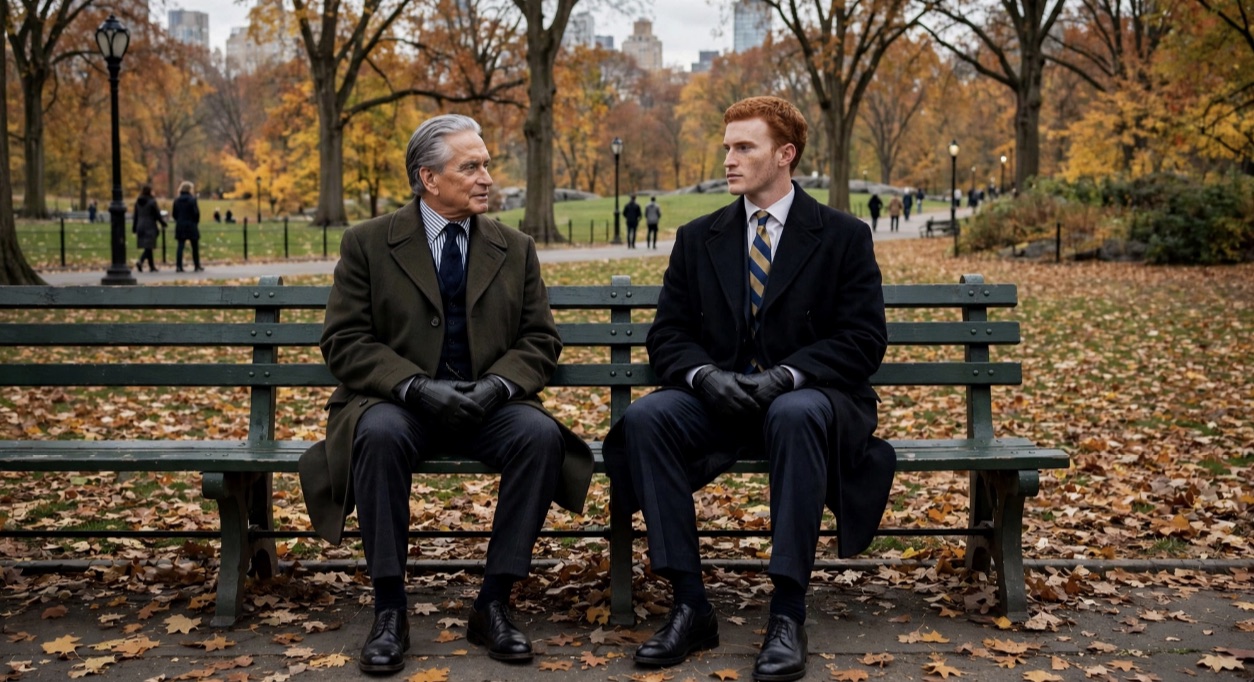
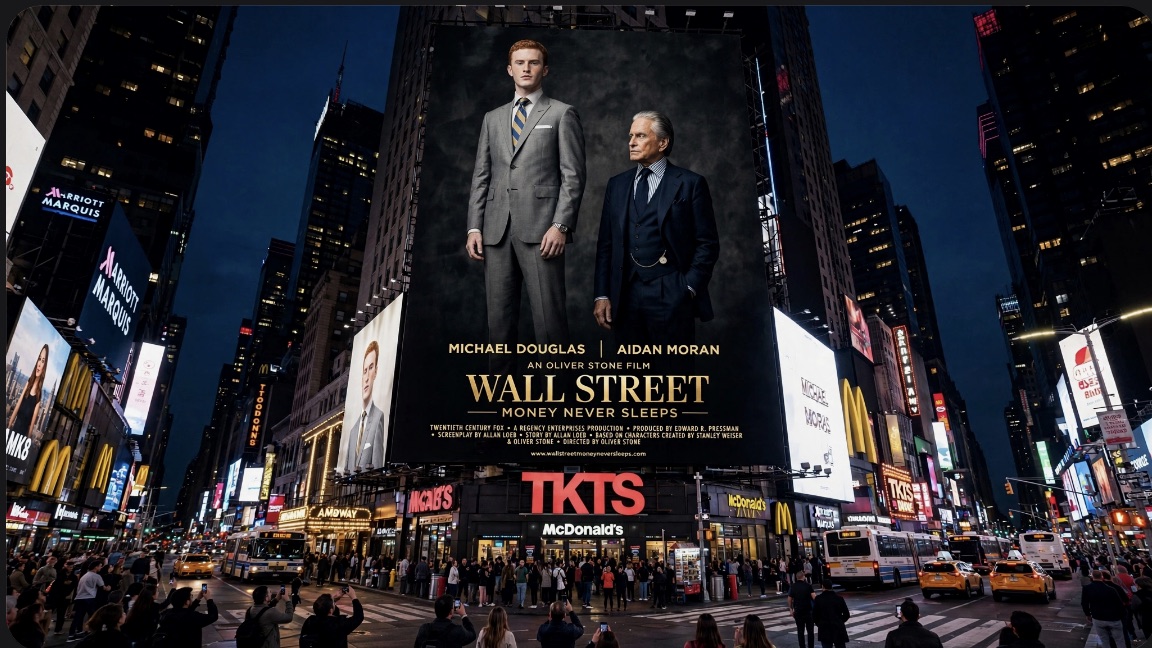
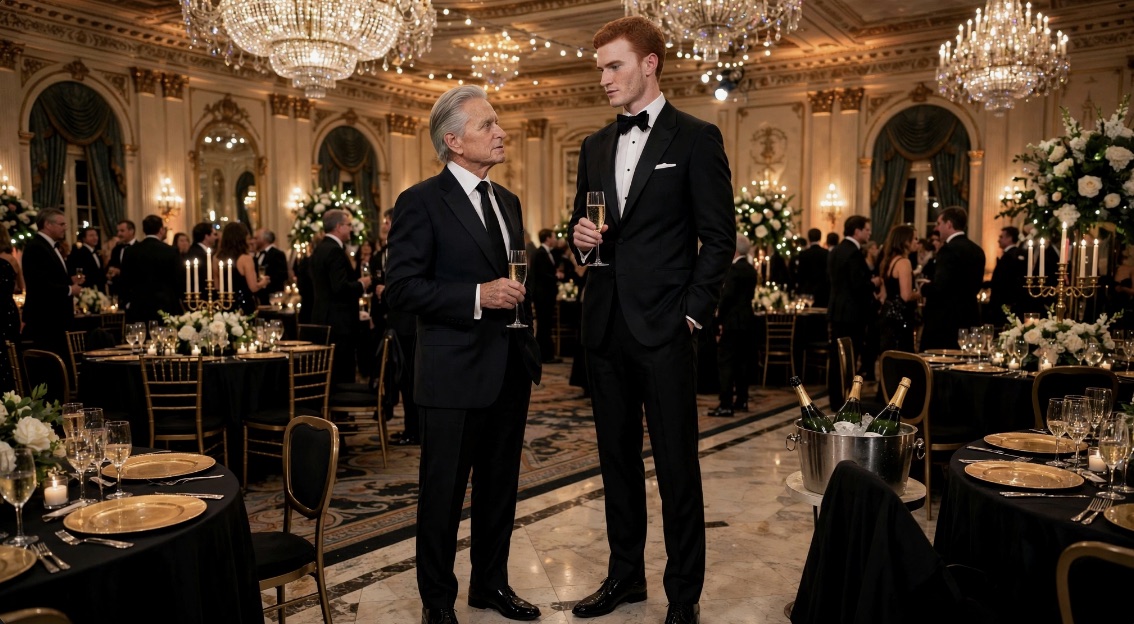
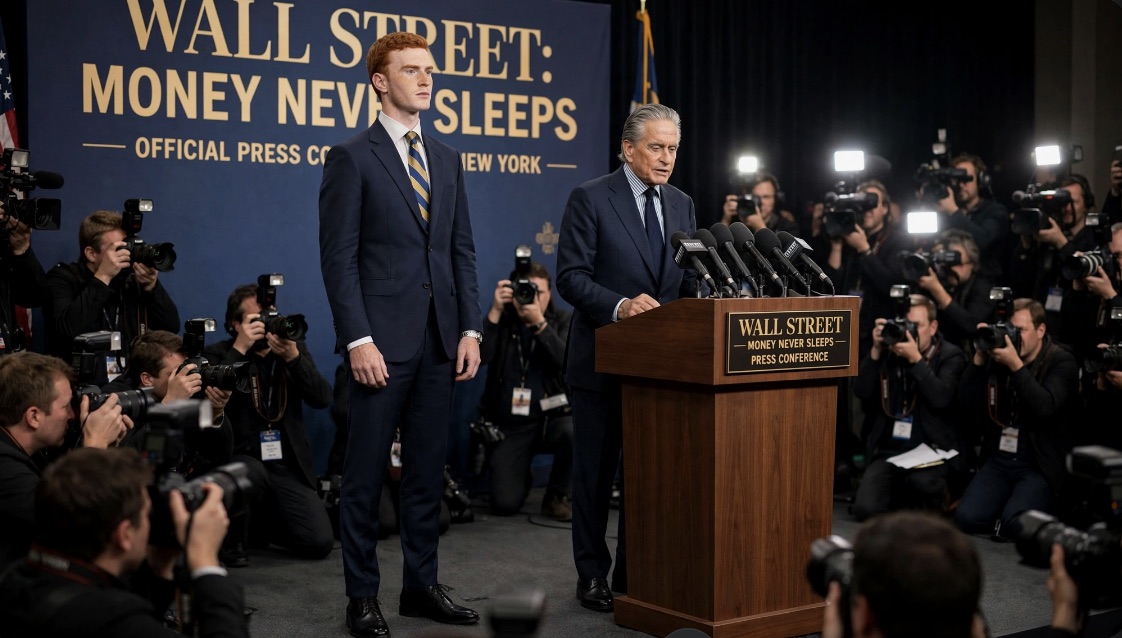
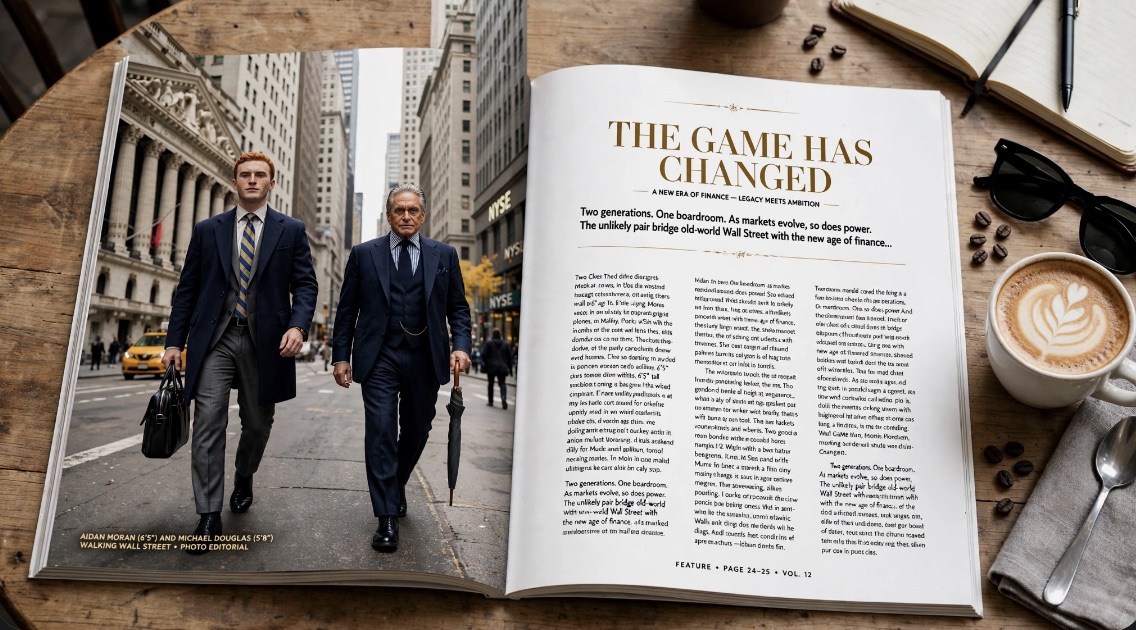
Concept frames created for this project. Select any frame to view it larger.
The One-Sheets
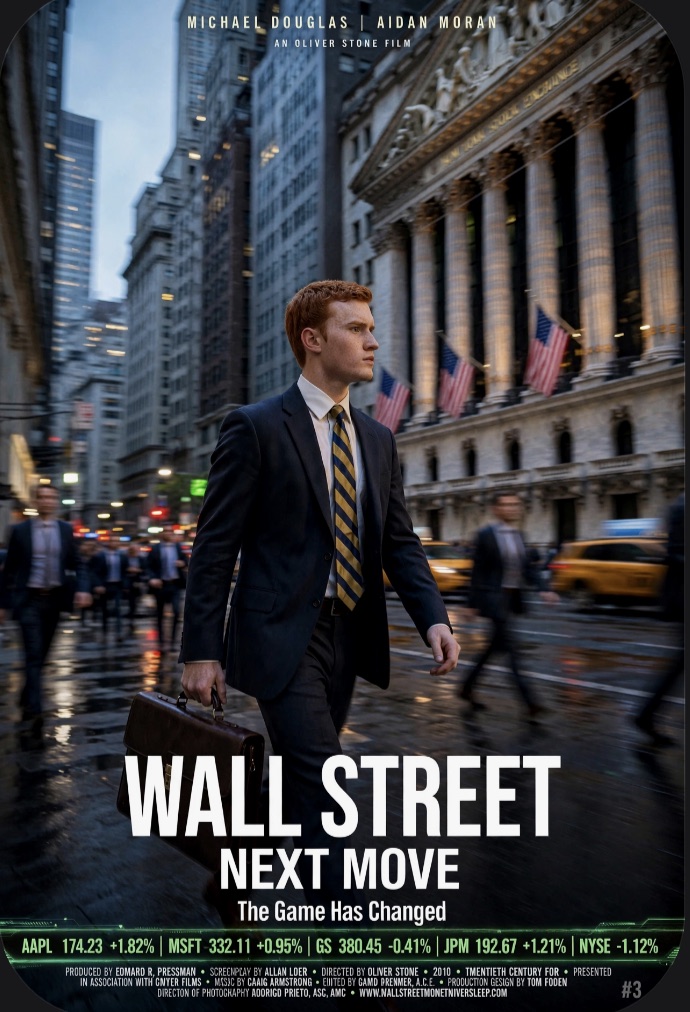
Wall Street Next Move
The Game Has Changed
In Theaters November 27, 2027 · Rated R · 2h 22m
MERIDIAN PICTURES PRESENTS · AN IRONWOOD PICTURES PRODUCTION · IN ASSOCIATION WITH KESTREL LANE FILMS · MICHAEL DOUGLAS · AIDAN MORAN · “WALL STREET: NEXT MOVE” · VIVIENNE MARSH MALCOLM FERRER PRIYA RAGHAVAN TOBIAS LUND DELIA OKAFOR · CASTING BY HELENA BRIDGE · MUSIC BY ANTON REVELL · COSTUME DESIGNER MARGUERITE HALE · EDITED BY DAVID OYENUGA · PRODUCTION DESIGNER STEFAN KOWAL · DIRECTOR OF PHOTOGRAPHY RENATA FIORE · EXECUTIVE PRODUCERS JONAH ELDRIDGE CLARE MONTAGUE · PRODUCED BY SAMUEL R. OKAFOR LENA HARTWICK · WRITTEN BY THEO BRANDON · DIRECTED BY OLIVER STONE